纪录片系列揭示了伯纳德·麦道夫臭名昭著的百亿庞氏骗局背后的真相,以及整个金融系统如何让它蓬勃发展了几十年的故事。
1970年末,当波兰爆发抗议时,一个危机处理小组在华沙成立。不久之后,民兵开始使用警棍。枪支开火。通过录音档案和动画,观众可以观察到各个权力机制。本片从压迫者的角度,讲述了一个关于反抗的故事。
What could the fate of the Villa Empain, Baron Empain’s crazy project in Brussels, which has gone through a long and eventful journey since its completion in 1934, possibly inspire? Katharina Kastner’s challenge was to draw the portrait of the place, keeping in mind the work of time, like in a human existence. Shot in 16mm, her film appeals to the senses, it captures the stirring of leaves undulating in the garden light, the movement of iridescent pearls, or the colourful games of a piece by Daniel Buren. Without a word, but with a caressing camera, she pays close attention to the hidden patterns on the gorgeous marbles, or to the veins in the most precious types of wood used to decorate the rooms. In slight touches, regardless of the monumental aspect of the 27.000 square-feet villa and the pool that so impressed its first visitors, Katharina Kastner o ers an organic vision of the place, which has been marked by the trials and tribulations of life, and used successively as a museum, an embassy and a squat, until its final renovation. The clever editing makes furtive connections, underlines colour associations, mixes up times and tactile sensations, while the spaces we explore keep rustling. The film takes us on a reminiscing journey, with slices of Empain’s life, from the family archive here on a holiday, there playing on the beach, images from a distant past that keep haunting the premises. The film reveals to us this living space that was designed like a piece of art, but it does so in a wandering way. This dream vision guides us through the villa like an echo of foregone fantasies, a mental space, but also a welcoming backdrop for the work of time. A bit like the fingerprint work we see in the film, or the slight touch of a pencil on a blank sheet.
法国当代艺术家克莱门特·科吉托,将法国音乐家让-菲利普·拉莫创作的欧洲启蒙时代芭蕾歌剧巅峰代表作《华丽的印第安人》再度搬上舞台,将古典华丽的巴洛克风格变为简洁夸张的巴黎市郊移民族群风貌。本片详实记录了这部震撼巴黎的歌舞剧的排练过程,30名地下舞者表演了嘻哈舞、折手舞、霹雳舞、狂派舞等,他们不同的民族和家庭背景,从导演构思到编舞排练,直到巴黎歌剧院公演。演出的最后铿锵有力,余音绕梁。这不仅是舞蹈与音乐的盛宴,也是新思潮的诞生。法国音乐剧爱好者的必看之作。
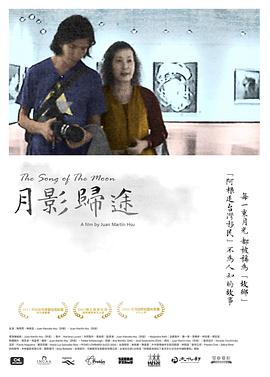
生長在阿根廷的導演與台灣母親分開十年後,第一次踏上台灣這片土地,試圖尋找父親死亡的真相,卻沒有太多線索。他陪伴母親走訪各地親戚,在台北這座城市間遊走,聽著她描述在阿根廷的回憶,一段不為人知的家族傷痕與記憶逐漸清晰。影片融合紀錄與虛構,映襯離散者面對「去/留」之間的拉扯。
A full-length documentary on von Stroheim's life and career, The Man You Loved To Hate blends revealing interviews, rare photographs, and clips from von Stroheim's legendary and lesser-known works to create a fascinating tribute to one of American cinema's most complex artists. Written by Richard Koszarski with music by Herbert Deutsch.
在从事电影行业之前,克莱尔·西蒙是一名编辑,后来她开始了短片和纪录片的创作,并同时以摄像师和演员的身份活跃在电影行业中。这部影片聚焦在几个伊夫里的十一年级学生上,他们的家庭背景,和父母的关系,对于未来的爱与梦想,都被摄像机记录了下来。短暂的十七岁充满了磕磕碰碰,它也带来了慰藉,这也是克莱尔想要她睿智而敏感的方式想要说明的:人会因为知道自己并不孤独而感觉到慰藉。
科学家对25万年前的地下线索进行了研究,这些线索引发了对于人类的早期亲属以及身为人类的真正意义的疑问。
故事起始于默片传奇露易丝布鲁克斯,她在1929年经典电影(潘朵拉的盒子)中会发现她走出银幕,朝镜头跳舞,她向我们道谢,因为有我们的观看使她的记忆再次生动。其他默片女演员也从电影片段中现身,讲述她们的故事,并与那些过往的人物互动。而每次有人观看她们的电影时,这些女人就会重生在这虚实交错的银幕上的照片与电影片段,彼此分享那一段段的记忆。
1949年10月1日新中国开国大典当晚,欢庆的游行队伍高呼着“毛主席万岁”经过天安门城楼时,扩音器里不断传来毛泽东洪亮的声音:“人民万岁”!这一声朴实而又充满感恩的回应,凝固成永恒的历史音符。 影片在毛泽东同志诞辰130周年之际,用别具情感力量与温情脉络的经典光影描绘出一幅感人至深的历史画卷,弘扬了中国共产党第一代领袖的崇高精神,彰显出"人民万岁"的铮铮誓言。
好似從自然與動物觀點直視人類醜惡的影像詩歌。春雷乍響,馬羊閒步,白色雲影搖曳,一切自成韻律。與那國,日本最西端的小島,距離台灣僅111公里,僅千餘人口,安靜地漂浮於海上。導演黃信堯此回嘗試放棄敘事的掌控,讓孤島上的各個元素自成一畫,樸拙而不失真地串接成一部刻畫疏離與距離的絕美影像,並從中尋找到自身與島民存在的意義。
The history, politics, pleasure, and BS of wine told through opening ten very different bottles.
在东莞的一个工厂遇见的一群95后工人。 本片被列入英国皇家人类学协会影库。